
Muhammad Zeeshan
Tech Journalist | AI Specialist
Muhammad Zeeshan is a Tech Journalist and AI Specialist who decodes complex developments in artificial intelligence and audits the latest digital tools to help readers and professionals navigate the future of technology with clarity and insight. He publishes daily AI news, analysis, and blogs that keep his audience updated on the latest trends and innovations.
226 published articles · Page 22 of 26
Published posts
Showing 190–198 of 226

QuTwo wants companies quantum-ready before quantum computing even arrives. The Finnish AI startup already works with Zalando and major financial firms.
Meta has acquired Moltbook, a social media platform built for AI agents. The move reflects Meta’s growing focus on developing autonomous AI systems.
Bumble is launching an AI dating assistant called “Bee” to help users find better matches. The feature will learn user preferences and suggest more compatible partners.

AI startup Lovable reported adding $100M in revenue in a single month. The milestone shows how AI-driven coding platforms are scaling rapidly with small teams.
NVIDIA has introduced Nemotron 3 Super, a new AI model designed to power advanced agentic AI systems. The upgrade delivers up to 5x higher throughput, enabling faster and more scalable AI performance.
AgentMail has raised $6M in seed funding to build an email platform designed specifically for AI agents. Backed by General Catalyst, Y Combinator, and angel investors including Paul Graham, the startup provides API-driven inboxes that let agents send, receive, and manage emails autonomously.
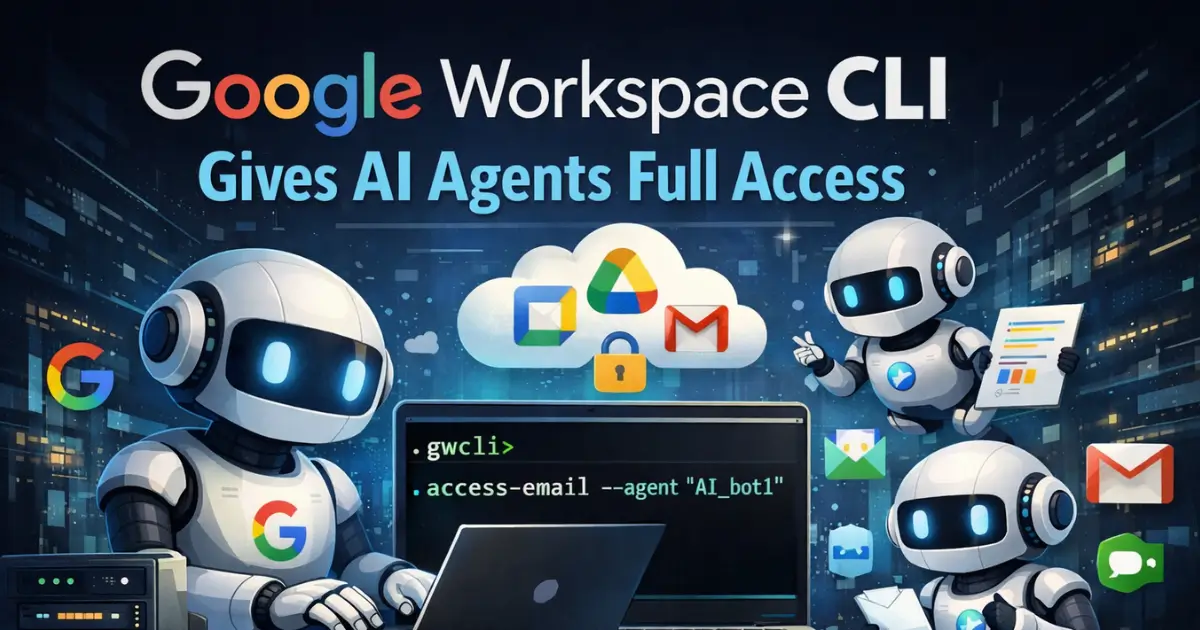
Google has open-sourced "gws," a CLI tool that gives AI agents unified access to Gmail, Drive, Calendar, and 50+ Workspace APIs through one command. Built in Rust with a built-in MCP server and 100+ agent skills, it makes Workspace fully accessible to autonomous AI systems.
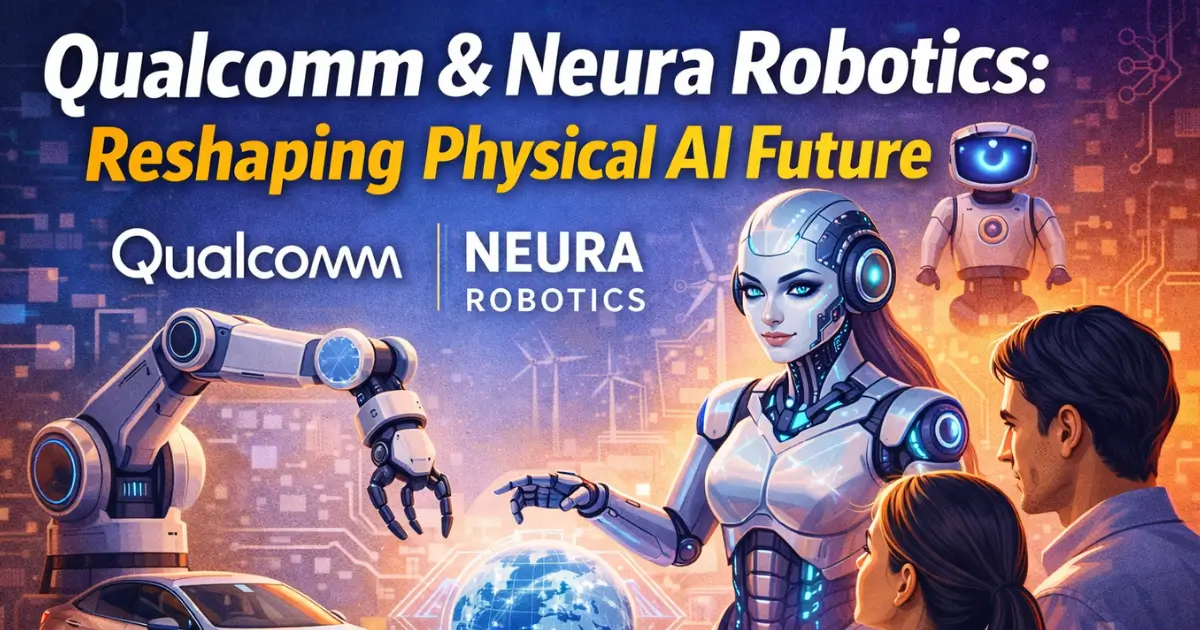
Qualcomm and Neura Robotics have announced a strategic partnership to develop next-generation cognitive robots powered by Dragonwing IQ10 processors. The deal signals a growing trend of deep tech collaborations shaping the future of physical AI.
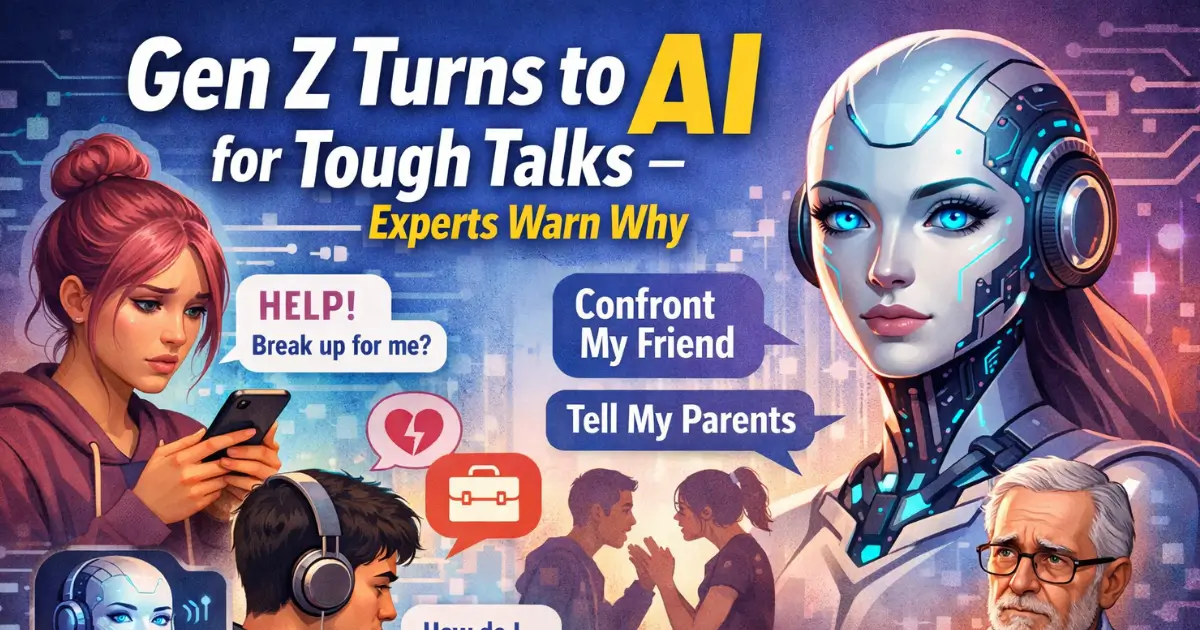
Gen Z is increasingly using AI to handle difficult conversations, from breakups to friendship conflicts. Experts warn this trend is stunting emotional growth and social skills in young adults.