Anthropic, the AI safety company behind Claude, has announced a significant pricing change that is already stirring controversy in the developer community. Claude Code subscribers who rely on third-party tools particularly the popular open-source coding assistant OpenClaw will now need to pay additional fees on top of their existing subscriptions.
What Is Changing
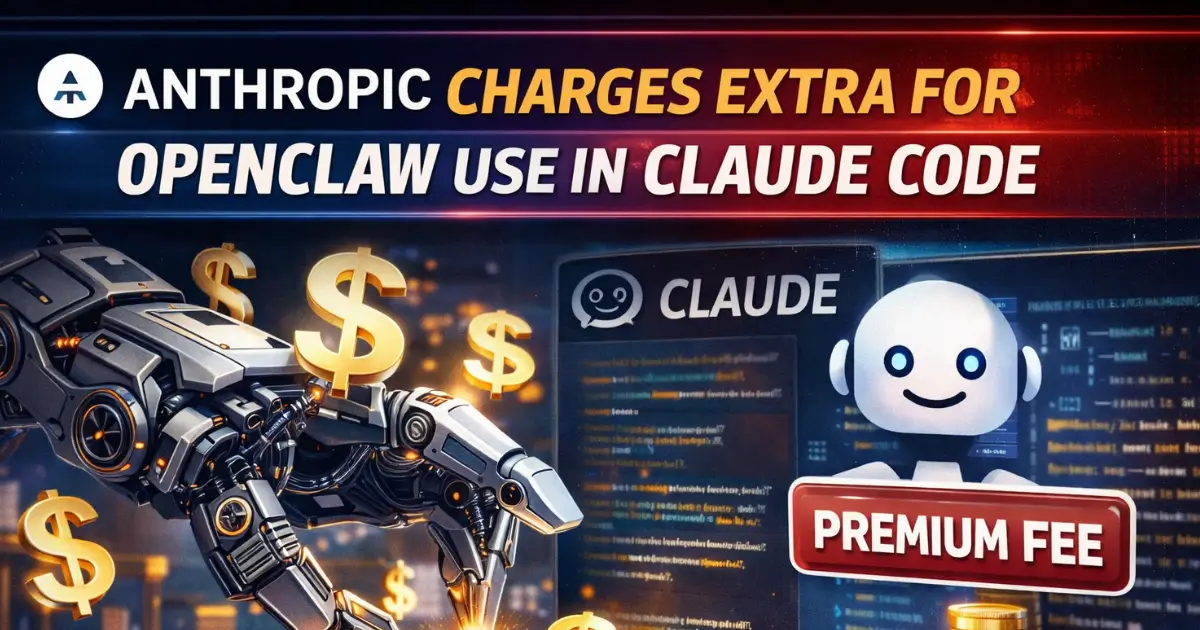
According to a customer email shared on Hacker News, Anthropic said that starting April 4, subscribers would no longer be able to use their Claude subscription limits for third-party harnesses including OpenClaw. Instead, they would need to pay for extra usage through a pay-as-you-go option billed separately from their subscription.
The company also made clear that while it is starting with OpenClaw, the policy applies to all third-party harnesses and will be rolled out to more shortly.
This means that developers who have built their workflows around Claude Code in combination with external tools will now face a two-part billing structure a subscription plus additional usage charges depending on how heavily they lean on third-party integrations.
Anthropic's Reasoning
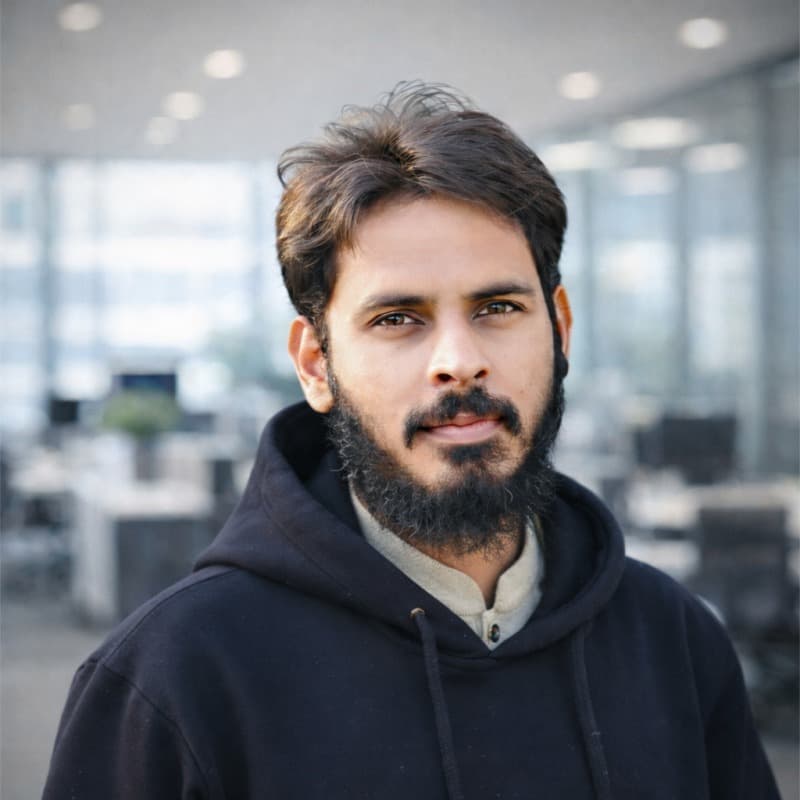
Boris Cherny, Anthropic's head of Claude Code, explained on X that the company's subscriptions were not built for the usage patterns of these third-party tools, and that Anthropic is trying to be intentional in managing growth to continue serving customers sustainably long-term.
Cherny was careful to frame this as an engineering and sustainability issue rather than a competitive move. He insisted that Claude Code team members are big fans of open source, noting that he himself had recently submitted pull requests to improve prompt cache efficiency for OpenClaw specifically.
Anthropic also announced it would offer full refunds for subscribers who were unaware that third-party harness usage was not something the company officially supported, calling the new policy an attempt to make things clear and explicit.
OpenClaw Creator Pushes Back
Not everyone is buying Anthropic's explanation. OpenClaw creator Peter Steinberger who recently joined Anthropic rival OpenAI, with OpenClaw continuing as an open-source project with OpenAI's support posted that he and OpenClaw board member Dave Morin had tried to talk sense into Anthropic but were only able to delay the increased pricing by one week.
Steinberger did not hold back in his criticism. He suggested that Anthropic first copied popular features into their own closed harness, then locked out the open-source alternative and pointed out that the timing was telling.
The accusation carries some weight given the context: Anthropic has been building out its own native Claude Code tooling, and restricting the economics of competing third-party tools even open-source ones could naturally push developers toward Anthropic's own ecosystem.
The Broader Competitive Picture
This development does not exist in a vacuum. The battle for developer loyalty between Anthropic and OpenAI is intensifying rapidly. OpenAI recently shut down its Sora app and video generation models, reportedly to free up computing resources as part of a broader effort to refocus on winning over software engineers and enterprises that are increasingly relying on products like Claude Code.
With Steinberger the very person who built the most popular third-party Claude Code harness now working at OpenAI, and OpenClaw continuing under OpenAI's backing, the lines between open-source community tools and corporate competition are becoming increasingly blurry.
For developers caught in the middle, the message is becoming clearer: the era of using powerful AI coding tools within a flat subscription fee may be coming to an end. Usage-based billing, tiered access, and ecosystem lock-in are the new reality and Anthropic's latest move is just the latest signal of where the industry is heading.