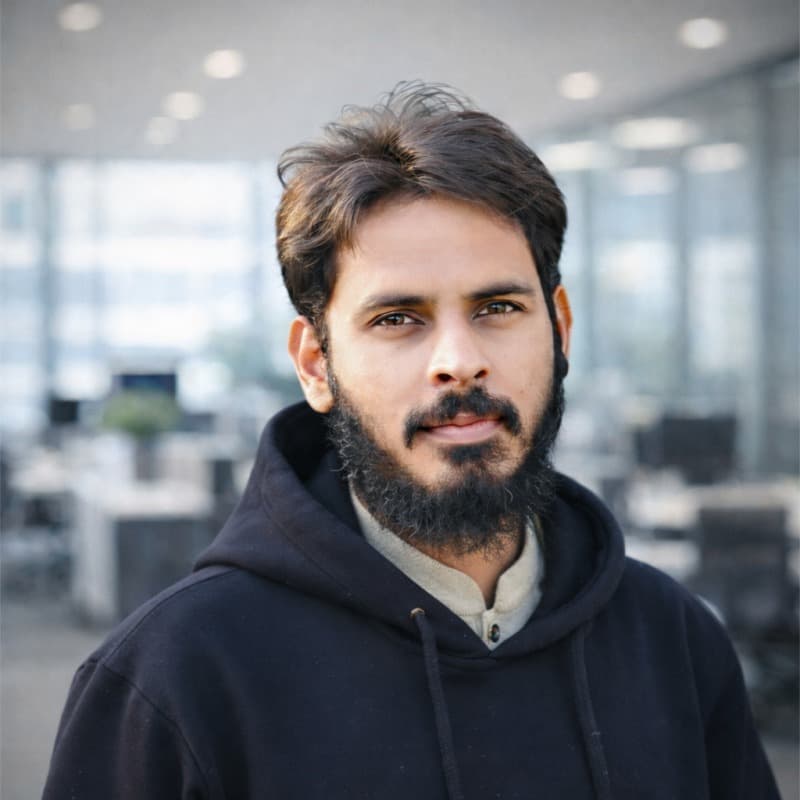
Anthropic temporarily suspended the account of Peter Steinberger, the creator of the popular open-source coding tool OpenClaw, blocking him from accessing its Claude AI model. The ban was lifted within hours after Steinberger's post about it went viral on X.
The incident has reignited tensions between Anthropic and the open-source developer community — and raised fresh questions about how AI companies handle competition from third-party tools built on top of their models.
What Happened
Early Friday morning, Steinberger shared a screenshot on X showing a message from Anthropic stating his account had been suspended due to "suspicious" activity. He warned followers that keeping OpenClaw compatible with Anthropic's models would likely get harder going forward.
The post quickly gained traction, drawing hundreds of responses. Among them was a comment from an Anthropic engineer who said the company has never banned anyone specifically for using OpenClaw and offered to help resolve the situation. Within a few hours, Steinberger confirmed his account had been restored.
It remains unclear whether the engineer's intervention played a direct role in the reinstatement. Anthropic has not yet commented publicly on what triggered the suspension.
The Backstory: A Growing Rift
The ban didn't happen in a vacuum. Just last week, Anthropic announced that its Claude subscriptions would no longer cover usage through third-party tools like OpenClaw. Users who want to run OpenClaw with Claude now have to pay separately through the API based on their consumption — a change some developers have dubbed a "claw tax."
Anthropic justified the move by explaining that subscriptions weren't designed to handle the compute-heavy usage patterns that claws generate. Unlike simple prompts, claws can run continuous reasoning loops, automatically retry tasks, and integrate with numerous external tools — all of which consume significantly more resources.
Steinberger, however, saw a different motive. After the pricing change was announced, he pointed out what he considered suspicious timing, noting that Anthropic had recently added similar features to its own proprietary agent, Cowork. Features like Claude Dispatch — which allows users to remotely control agents and assign tasks — launched just weeks before the new OpenClaw pricing took effect.
"First they copy some popular features into their closed harness, then they lock out open source," Steinberger wrote at the time.
A Complicated Relationship
The situation is made more interesting by Steinberger's employment. He joined OpenAI — Anthropic's direct competitor — back in February, a move that has added a layer of corporate intrigue to every interaction between him and Anthropic.
When one commenter suggested the ban might be related to his employer, writing that he "went to the wrong one," Steinberger fired back with a pointed response: "One welcomed me, one sent legal threats."
He clarified that he only uses Claude for testing purposes, ensuring that OpenClaw updates don't break functionality for the many developers who prefer Claude over other models. He emphasized that his role at the OpenClaw Foundation — where the goal is to make the tool work well with any model provider — is separate from his job at OpenAI, where he helps with product strategy.
Claude Remains Popular With OpenClaw Users
Several commenters noted the irony of the situation: despite Steinberger working at OpenAI, Claude remains a go-to choice for many OpenClaw users. When people pointed this out during the pricing controversy as well, Steinberger simply replied, "Working on that" — hinting at efforts to make OpenAI's own models more competitive in the OpenClaw ecosystem.
What It Means for the AI Developer Ecosystem
The episode highlights a broader tension in the AI industry. As companies like Anthropic and OpenAI build out their own coding agents and developer tools, third-party open-source projects that sit on top of their models increasingly find themselves in an uncomfortable position — simultaneously dependent on and competing with the platforms they're built on.
For now, Steinberger's access has been restored and OpenClaw continues to work with Claude. But the friction between open-source tool builders and the AI model providers they rely on shows no signs of easing.